

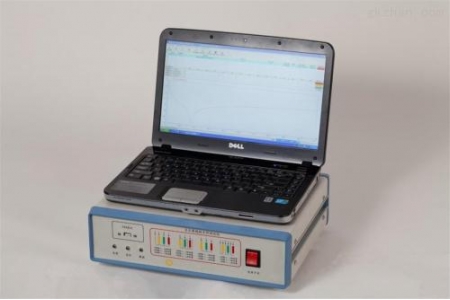
At operating sites of switchgear, transformers, GIS, and other equipment, O&M personnel often encounter a thorny problem: the equipment surface shows no abnormality, but the internal insulation may have gradually deteriorated under the long-term effect of partial discharge. In the initial stage, this discharge has weak energy, yet like "termites eating wood," it erodes the insulation structure day after day. Over time, it can easily induce insulation breakdown of the equipment and even cause large-scale power outages. Facing such hidden defects, selecting a suitable partial discharge detector requires first clarifying on-site interference sources, detection methods, and ease of operation.
Substation sites contain a large amount of electromagnetic interference. When selecting a model, priority should be given to whether the instrument has multiple anti-interference means. PD-3100 supports three detection modes: ultrasonic, transient earth voltage, and high-frequency current transformer (HFCT), and can switch according to equipment type. For example, internal discharge in switchgear is suitable for the transient earth voltage method, while cable joints commonly use the HFCT method. The instrument has a built-in filtering algorithm that can effectively suppress background noise and help O&M personnel preliminarily determine the discharge location without dismantling the equipment.
The instrument's discharge monitoring voltage range is 0V-300V, covering the detection needs of common medium- and low-voltage equipment. It is equipped with non-contact sensors, making on-site wiring simple and allowing inspection to be completed without power outage. The main unit adopts a portable design and supports data storage and playback, facilitating subsequent comparative analysis. Packaging offers options of carton, wooden case, or aluminum alloy case, and can be customized according to user needs. Note that detection results should be judged comprehensively in combination with the equipment's historical data and operating conditions, and conclusions should not be drawn based on a single measurement alone.
It is suitable for daily inspection and troubleshooting of 10kV-35kV switchgear, ring main units, transformer bushings, GIS combined apparatus, and other equipment. For on-site O&M personnel, it is recommended to establish baseline data in the initial stage of equipment commissioning, then conduct regular retesting afterward, and evaluate insulation status through trend changes. If abnormal signals are found, positioning sensors can be further used to narrow the range, and then power outage maintenance can be arranged.
Note: The above information and technical parameters are sourced from and published by Yangzhou Darui Electric Co., Ltd.

