

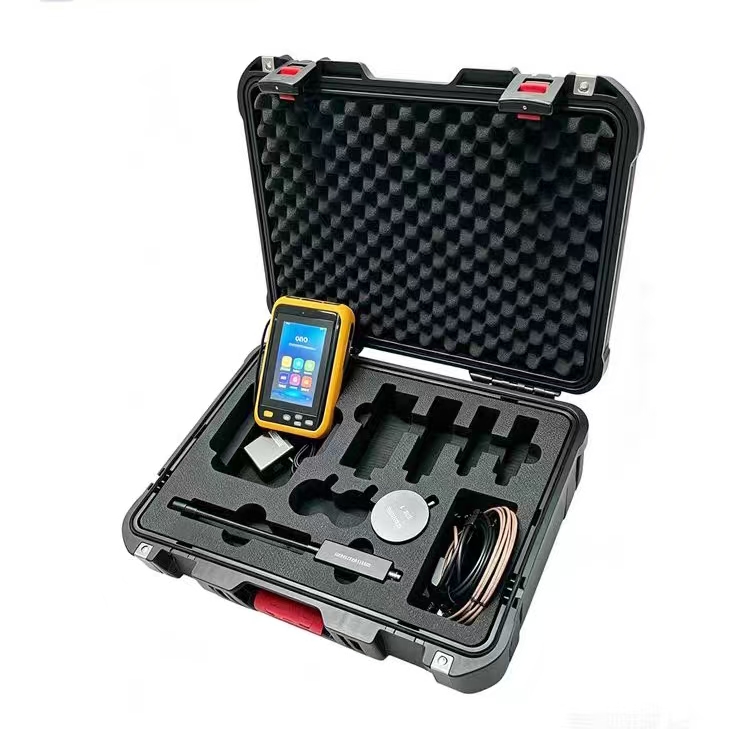
During on-site testing of zinc oxide arresters, test data often deviate significantly from historical values and show poor repeatability. This may result from the influence of test methods, environmental conditions, or instrument status. The following answers common questions from procurement personnel from the perspective of maintenance and use.
The instrument should be stored in a dry, ventilated environment, with a storage temperature of -10°C to +50°C and humidity ≤80%RH. When not in use for a long time, power it on for inspection once a month. Avoid excessive bending of test cables, and keep connectors clean. If abnormal display or unresponsive keys are found, stop using it and contact professional personnel for repair.
Under normal operating voltage, a zinc oxide arrester mainly conducts a weak capacitive current, and the tester determines the arrester status by detecting the resistive current component. Before testing, confirm that grounding is reliable and avoid strong electromagnetic interference. Refer to the requirements of the DL/T 474.5-2018 standard and record the ambient temperature and humidity. It is recommended to repeat each test twice and take similar values. Note that the voltage sampling line must be firmly connected to the test object to prevent contact resistance from affecting the results.
Pay attention to the measurement range, resolution, power supply method, and anti-interference capability. Common parameters include: reference voltage measurement error, leakage current measurement accuracy, and battery life. At the same time, confirm whether the instrument supports data storage and export functions for subsequent analysis. It is recommended to choose a model that complies with industry standards and has a simple operation interface.

