According to the measurement requirements of GB/T 11032-2020 for the DC reference voltage and leakage current of zinc oxide arresters, on-site procurement personnel often face two types of problems: first, the output ripple of the test equipment is relatively large, causing the U1mA judgment deviation to exceed the allowable range; second, when measuring varistors or discharge tubes, multiple instruments are required for step-by-step operation, resulting in low efficiency and complicated wiring. These factors may affect the accurate evaluation of the performance of overvoltage protection components.
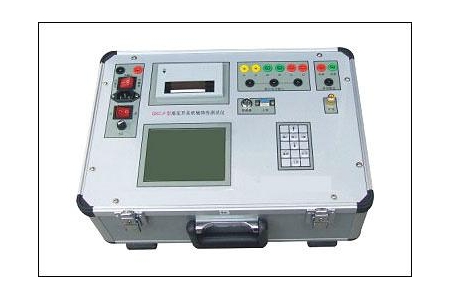
The DXY-890 zinc oxide arrester tester is designed to address the above problems and is suitable for DC parameter measurement of overvoltage protection components such as zinc oxide arresters (varistors) and metal-ceramic two- and three-electrode discharge tubes. The device outputs DC high voltage, can measure the U1mA reference voltage and the leakage current at 0.75U1mA, and integrates charging and discharging, measurement, and protection logic into a single unit. During procurement and selection, attention can be paid to the following technical indicators: output voltage range 0–30 kV (expandable), current measurement range 0–1999 μA, voltage measurement accuracy ±(reading × 1% + 3 digits), current resolution 0.1 μA. The instrument has built-in overcurrent, overvoltage, and grounding protection, and supports manual and automatic test modes.
During bulk procurement or project acceptance, accompanying documents are an important part of qualification review. The DXY-890 provides product parameter sheets, samples, quality assurance certificates, and company profiles, making it convenient for procurement personnel to archive and compare. Before leaving the factory, the equipment undergoes high-voltage aging and accuracy calibration, and is accompanied by calibration data records. For purchasers who need regular inspection or participate in bidding, these documents can assist in completing compliance verification.
Before wiring, confirm that the arrester has been disconnected from the live busbar and fully discharged. Connect the high-voltage output terminal to the upper end of the arrester, and connect the grounding terminal reliably to ground. After selecting automatic mode, the instrument increases voltage at the set rate, automatically records U1mA, and calculates the leakage current at 0.75U1mA. If a discharge tube needs to be measured, simply switch the measurement port according to the corresponding wiring method. After use, turn off the power, discharge the high-voltage terminal, and then remove the connections.

