Partial Discharge Detector
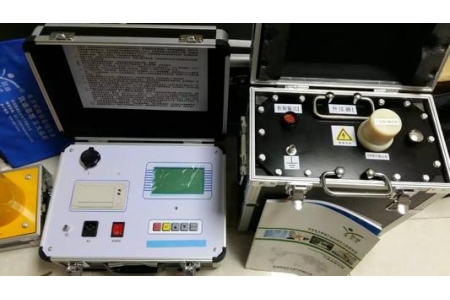
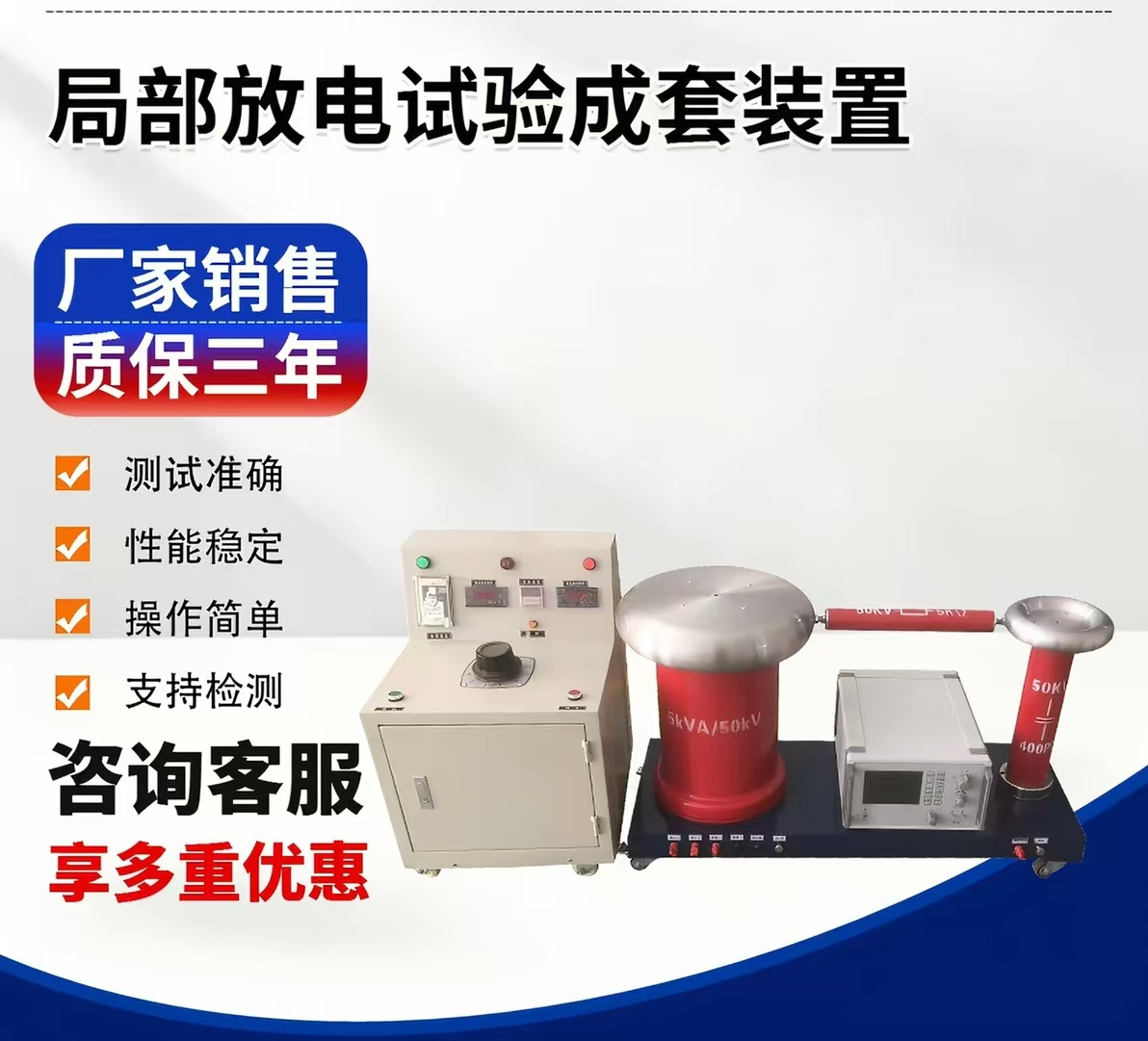
A partial discharge detector is a specialized instrument used in power systems to detect, measure, and analyze partial discharge phenomena inside high-voltage electrical equipment (such as transformers, GIS, switchgear, cables, etc.). Partial discharge is an early sign of insulation deterioration. This instrument can detect insulation defects early before serious faults (such as breakdown) occur, serving as an "invisible guardian" for the safe operation of the power grid.
Core Working Principle
When partial discharge occurs, it is accompanied by various physical and chemical effects. The detector determines the presence and severity of partial discharge by capturing, amplifying, and processing one or more signals from these effects:
Electrical pulses: Generate transient current pulses.
Electromagnetic waves: Generate high-frequency or ultra-high-frequency electromagnetic waves.
Ultrasonic waves: Generate sound waves in the range of 20kHz to 300kHz.
Other effects: Generate weak light radiation, heat, and specific decomposition gases (such as ozone).
Mainstream Detection Technologies and Methods
Based on the type of signal captured, partial discharge detectors mainly employ the following technologies:
Ultra-High Frequency Method (UHF): Detects electromagnetic wave signals in the 300MHz to 3GHz frequency band. It has strong resistance to low-frequency electromagnetic interference and can penetrate metal enclosures, making it suitable for internal discharge monitoring and location in enclosed equipment such as GIS and transformers.
Acoustic Emission Method (AE): Detects mechanical vibration sound waves in the range of 20kHz to 300kHz. It is completely immune to electromagnetic field interference and can precisely locate the physical position of the discharge source through the time difference of sound wave arrival, making it suitable for on-site identification of specific discharge points.
Transient Earth Voltage Method (TEV): Detects transient voltage signals induced on metal enclosures (such as switchgear) by partial discharge electromagnetic waves. It is simple to operate and mainly used for rapid live inspection and screening of medium-voltage switchgear and other equipment.
High-Frequency Current Transformer Method (HFCT): Clamps a high-frequency current transformer on the equipment grounding wire to detect pulse current signals. It is commonly used for online monitoring of power cables, transformer bushings, etc.
Pulse Current Method: A standard method recommended by the International Electrotechnical Commission (IEC), which detects pulse current through coupling capacitors and can accurately measure the apparent discharge quantity. It is mostly used for offline testing in laboratories or before equipment leaves the factory.
System Composition and Intelligent Analysis
A complete detection system typically includes sensors, signal conditioning units, data acquisition units, and host analysis units. Modern equipment possesses powerful intelligent analysis capabilities:
Multi-sensor fusion: Portable devices can flexibly combine various sensors such as TEV, ultrasonic, and UHF, and enhance diagnostic accuracy through cross-validation of data.
Spectrum visualization: Built-in intelligent analysis systems convert signals into PRPD (two-dimensional phase distribution) and PRPS (three-dimensional pulse sequence) spectra, and use AI algorithms to automatically identify typical discharge types such as free metal particles, floating potentials, and insulation voids.
Acoustic imaging technology: Uses microphone arrays to capture sound waves, overlaying the sound source position in real-time onto the optical image, displaying the discharge point as a highlighted spot for non-contact rapid location.
Equipment Classification and Application Scenarios
Based on usage form, partial discharge detection equipment is mainly divided into three categories:
Portable inspection equipment: Compact in size, with built-in batteries, supporting single-person handheld operation, suitable for mobile operations such as on-site inspections of substations and live detection of outdoor lines.
Online monitoring systems: Composed of distributed sensors and a backend platform, collecting data 24/7 and transmitting it to the cloud, suitable for predictive maintenance of unattended substations and core primary equipment.
Laboratory calibration equipment: Strictly follows IEC standards, equipped with comprehensive electromagnetic shielding and calibration systems, used for precise quantitative verification of discharge quantity.
Core Value
The widespread adoption of partial discharge detectors has driven the transformation of power maintenance from traditional "periodic maintenance" to scientific "condition-based maintenance." It not only avoids unexpected power outages and reduces maintenance costs but also effectively extends the service life of core power equipment, safeguarding the safe and stable operation of the entire power system.